
Attachment based therapy online to help you feel safer with others
Maybe you fall hard and fast, then panic when someone goes quiet. Maybe you keep people at arm's length without quite knowing why. Attachment based therapy looks at how your earliest relationships shaped the way you love and trust now, and it works just as well by video from home.
- Qualified, vetted therapists
- Evening & weekend sessions
- Talk from home

How early bonds shape the way we love
Attachment theory was developed by the British psychiatrist John Bowlby. His central idea was simple but powerful: babies are born needing to stay close to a caregiver, and the way that caregiver responds teaches us, very early on, what to expect from other people.
If comfort usually came when we needed it, we tend to grow up feeling that people can be trusted and that we're worth caring for. If it was patchy, frightening or missing, we learn other ways to stay safe, like clinging on tighter, shutting our feelings down, or never quite relaxing around anyone.
Attachment based therapy (ABT) uses these ideas to help you make sense of your relationships today. It isn't about blaming your parents. It's about understanding the patterns you learned, noticing where they still play out, and gently building new ones.
Four ways we learn to attach
Our early experiences shape an internal working model: a set of beliefs about ourselves, other people and how relationships work. These are often grouped into four broad styles. Most people recognise a bit of more than one.
Secure
You're generally comfortable with closeness and with time apart. You can ask for help, trust others and cope with conflict without feeling your whole relationship is at risk.
Anxious-ambivalent
You long for closeness but worry it won't last. You might read a lot into a late reply, need regular reassurance, or feel unsettled when someone seems distant.
Avoidant
You value independence and may feel uneasy when people get too close. Showing your feelings or depending on anyone can feel uncomfortable, so you tend to keep a safe distance.
Disorganised
Closeness can feel both wanted and frightening at the same time. This often links to early experiences where the person meant to keep you safe was also a source of fear or confusion.
Building better adult relationships
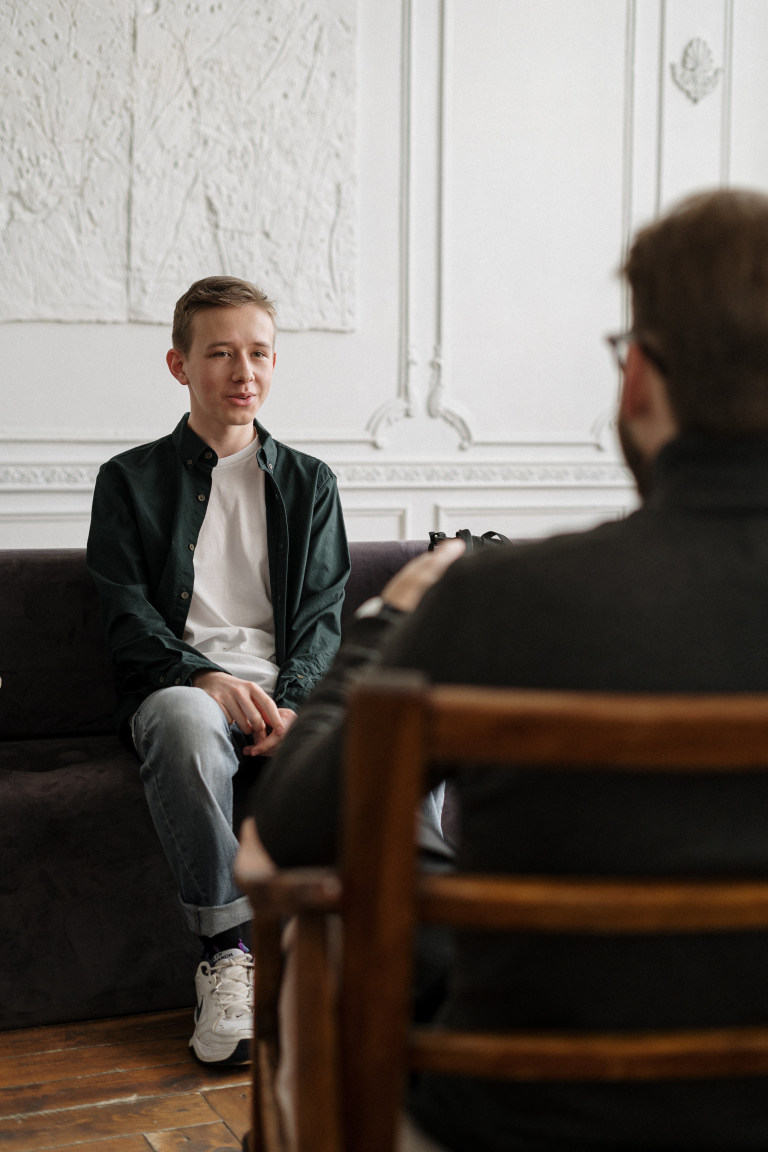
In attachment based therapy, the relationship with your therapist matters a great deal. For many people it's one of the first times they've felt consistently listened to without judgement. That steady, reliable connection becomes a safe place to explore what happened to you and how it still affects you.
Over time you start to update your internal working model. You notice old reactions as they happen, understand where they come from, and try out new ways of relating. Some of our therapists combine this with psychodynamic or person-centred work, depending on what suits you.
Starting is simpler than you think
Reaching out is often the hardest part. From there, we'll guide you through each step.
Get in touch
Fill in our short contact form and tell us the best time to call. Share as much or as little as you like.
We'll call you
We'll ring at the time you chose for a relaxed, no-pressure chat about what's going on and what you'd like help with.
Start your sessions
We'll match you with a therapist who suits you and send a secure video link. Then you just log on.
Questions about attachment based therapy
Attachment based therapy is a talking therapy built on John Bowlby's attachment theory. It helps you understand how your early relationships shaped the way you connect with people now, and supports you to build more secure, trusting relationships.
Yes. What matters most is a consistent, trusting relationship with your therapist, and that can grow just as well over video. Many people find it easier to open up about personal things from somewhere they already feel comfortable.
Yes. Attachment styles aren't fixed labels. With understanding and new experiences of safe, reliable relationships, including the one with your therapist, many people move towards feeling more secure.
Your early life is likely to come up, because that's where attachment patterns begin. But you'll go at your own pace, and a lot of the work focuses on your relationships today and what you'd like to change.
Attachment ideas can be really useful for couples, especially when the same arguments keep coming round. Take a look at our couples counselling page, or get in touch and we'll talk it through.
You'll find our current prices on our fees page. Sessions last 50 minutes.
Start feeling more secure in yourself
Send us a message and we'll get back to you within 24 hours to arrange a call at a time that suits you.
Opening hours
- Monday – Friday9:00 – 20:00
- Saturday10:00 – 15:00
- Sunday10:00 – 15:00
We can't offer crisis support. If you're in danger or feel unable to keep yourself safe, call 999 or go to A&E. You can call Samaritans free, day or night, on 116 123, or NHS 111 (option 2 for mental health). See our crisis support page for more.