
Person centred counselling online, where you set the direction
No agenda, no worksheets, no one telling you what you should feel. Person centred counselling is about you: your feelings, your thoughts and what you need right now. You talk, a qualified therapist truly listens, and it all happens by video from home.
- Qualified, vetted therapists
- Evening & weekend sessions
- Talk from home
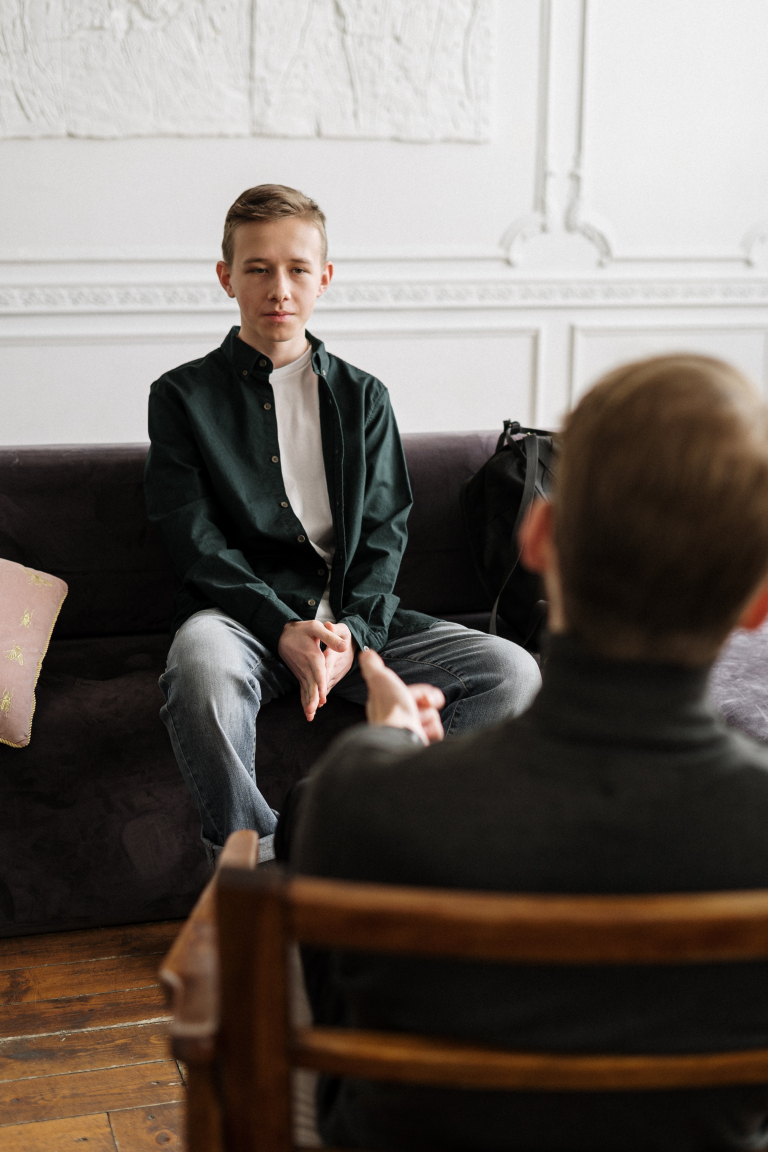
Counselling that starts with you
Person centred counselling is a talking therapy developed by the American psychologist Carl Rogers. As the name suggests, it focuses entirely on the client. You decide what to talk about, and your counsellor follows your lead rather than steering you towards their own ideas.
Rogers believed that people have a natural ability to grow and to heal when they feel truly understood and accepted. A lot of distress, he felt, comes from losing touch with our own feelings and needs, often because we've learned to put other people's expectations first.
In person centred counselling, your feelings, thoughts and needs are what matter. The aim is to help you hear yourself more clearly, trust your own judgement and feel more at ease being who you are.
Three qualities at the heart of the work
Rogers described three conditions that help people grow. Your counsellor aims to offer all of them in every session.
Empathy
Your counsellor works hard to understand your experience as you feel it, from the inside, and reflects that understanding back so you feel genuinely heard.
Unconditional positive regard
You're accepted as you are, without judgement. Whatever you share, your counsellor's warmth and respect for you stay the same.
Congruence
Your counsellor is real with you. They don't hide behind a professional mask, which helps build honest, trusting conversations.
A lasting influence
These ideas changed how therapy is done. Many other approaches, from integrative counselling to CBT, now see a warm, trusting relationship as essential.
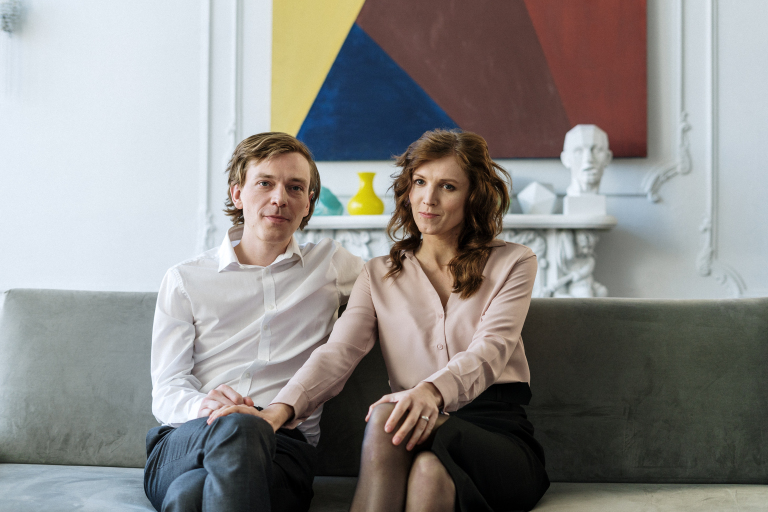
Finding your own way forward
When someone listens to you with real care and without judgement, something shifts. You start to notice feelings you've pushed aside, understand why you react the way you do and treat yourself with more kindness. From there, decisions and changes tend to follow naturally.
Person centred counselling is part of the wider family of humanistic therapy. If you'd like to know more about talking therapies in general, our What is counselling? page is a good place to start.
Starting is simpler than you think
Reaching out is often the hardest part. From there, we'll guide you through each step.
Get in touch
Fill in our short contact form and tell us the best time to call. Share as much or as little as you like.
We'll call you
We'll ring at the time you chose for a relaxed, no-pressure chat about what's going on and what you'd like help with.
Start your sessions
We'll match you with a therapist who suits you and send a secure video link. Then you just log on.
Questions about person centred counselling
Person centred counselling is a talking therapy created by Carl Rogers. It puts the client at the centre, with the counsellor offering empathy, acceptance and honesty so you can explore your feelings and find your own way forward.
Yes. The approach depends on the relationship between you and your counsellor, and that can be just as warm and genuine over video. Many people find it easier to open up from home.
They'll do much more than nod along. They'll reflect back what they hear, check they've understood and share honest responses. What they won't do is tell you what to do.
CBT is structured, with set goals and exercises. Person centred counselling is open and led by you. Neither is better; it depends on what suits you.
Send us a message and we'll call you back at a time that suits you. We'll then match you with a qualified person centred counsellor, with sessions available seven days a week.
You'll find our current prices on our fees page. Sessions last 50 minutes.
Talk to someone who really listens
Send us a message and we'll get back to you within 24 hours to arrange a call at a time that suits you.
Opening hours
- Monday – Friday9:00 – 20:00
- Saturday10:00 – 15:00
- Sunday10:00 – 15:00
We can't offer crisis support. If you're in danger or feel unable to keep yourself safe, call 999 or go to A&E. You can call Samaritans free, day or night, on 116 123, or NHS 111 (option 2 for mental health). See our crisis support page for more.