
Online eating disorder counselling that meets you where you are
When food, eating or your body take up most of your headspace, it can feel lonely and hard to explain. Online eating disorder counselling gives you a private, unhurried space to talk with a qualified therapist from home. You don't need to have it all figured out before you reach out.
- Qualified, vetted therapists
- Evening & weekend sessions
- Talk from home
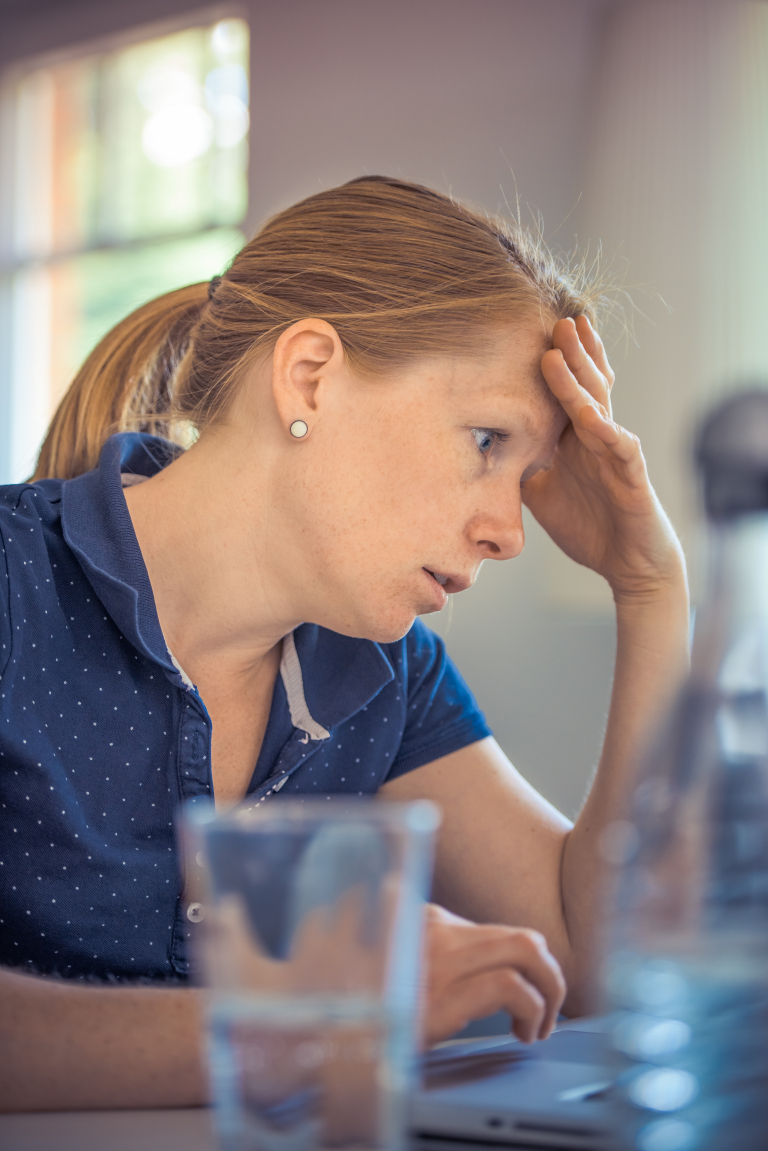
It's rarely just about food
An eating disorder is a serious mental health condition, not a lifestyle choice or a phase. On the surface it might look like it's about food or appearance, but underneath there are usually painful feelings, a need for control, or a way of coping with something that feels too big to face directly.
Eating disorders are more common in the UK than many people realise, and they can affect anyone: any age, any gender, any background, any body size. You don't have to look unwell or be at a certain point to deserve help. If your relationship with food is causing you distress, that's reason enough.
Online eating disorder counselling is a place to talk honestly without being judged. It works best alongside support from your GP, who can check your physical health and point you to specialist services where needed.
An eating disorder can touch every part of life
Many people keep their struggles hidden for a long time. Counselling can help with the effects you might not have talked about yet.
Your thoughts
Food, eating or your body can crowd out everything else. Many people describe a critical inner voice that's hard to argue with and exhausting to live alongside.
Your feelings
Shame, guilt, anxiety and low mood often travel together with an eating disorder. Sometimes the eating disorder becomes a way of managing those feelings.
Your relationships
Meals with friends or family can feel stressful, and secrecy can build a wall between you and the people who care about you.
Your health
Eating disorders can affect your body in serious ways, even when you feel fine. That's why regular contact with your GP matters alongside counselling.
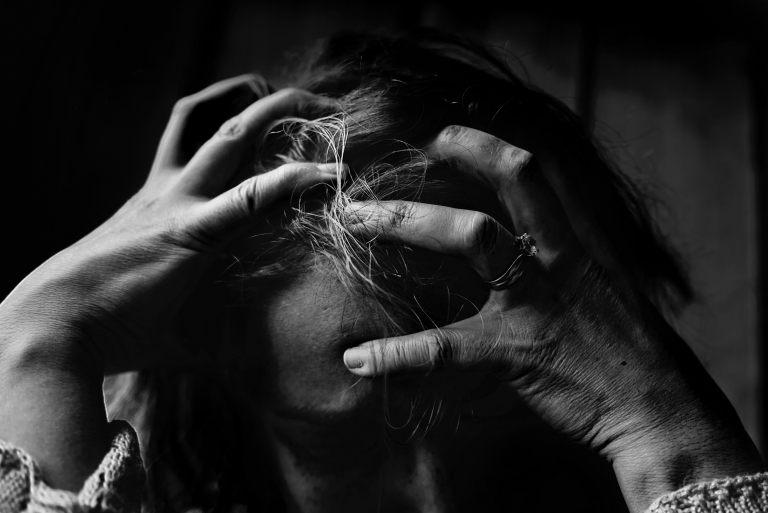
A safe place to talk and begin recovery
Recovery is possible, and there's more than one route to it. For many people it includes talking therapy, medical check-ups with a GP, and sometimes specialist eating disorder services. Online eating disorder counselling can be one part of that support, helping you understand what the eating disorder does for you and what feelings sit underneath it.
Your therapist won't lecture you or hand you rules. They'll listen, go at your pace, and help you build kinder ways of coping. Some of our therapists use CBT, while others work in a person-centred or integrative way. We'll help you find the right fit.
Starting is simpler than you think
Reaching out is often the hardest part. From there, we'll guide you through each step.
Get in touch
Fill in our short contact form and tell us the best time to call. Share as much or as little as you like.
We'll call you
We'll ring at the time you chose for a relaxed, no-pressure chat about what's going on and what you'd like help with.
Start your sessions
We'll match you with a therapist who suits you and send a secure video link. Then you just log on.
Questions about eating disorder counselling
Yes, it can be a valuable part of recovery. Online eating disorder counselling gives you space to understand the feelings and patterns behind the eating disorder. It works best alongside your GP, who can keep an eye on your physical health and refer you to specialist services if that's needed.
We'd really encourage it. Eating disorders can affect your physical health in ways that aren't always obvious, so it's important to have a GP involved. Counselling and medical care work well together, and your therapist can support you in having that conversation if it feels daunting.
Yes. You don't need a diagnosis, and you don't need to be at a certain point to deserve support. If food, eating or your body are causing you distress, that's a good enough reason to talk to someone.
No. Our counsellors aren't dietitians and won't give you meal plans or rules. Their focus is on the emotional side: your thoughts, feelings and what's been happening in your life. Your GP or a specialist service can support the physical side.
Yes. What you share stays between you and your therapist. The only exception is if they were seriously worried about your safety or someone else's, and they'd always try to talk to you about that first.
You'll find our current prices on our fees page. Sessions last 50 minutes.
Taking the first step takes courage
Send us a message and we'll get back to you within 24 hours to arrange a call at a time that suits you. We'll go at your pace.
Opening hours
- Monday – Friday9:00 – 20:00
- Saturday10:00 – 15:00
- Sunday10:00 – 15:00
We can't offer crisis support. If you're in danger or feel unable to keep yourself safe, call 999 or go to A&E. You can call Samaritans free, day or night, on 116 123, or NHS 111 (option 2 for mental health). For eating disorder support you can also contact Beat, the UK eating disorder charity, on 0808 801 0677. See our crisis support page for more.